Schematic Diagram Of 7 Segment Display
The 7 segment display is a type of visual display unit (VDU) which is commonly used for displaying numerical data. It consists of seven individual elements, each of which is configured to display a single digit from 0 to 9. This makes it ideal for displaying numerical data, such as temperature readings, pressure readings, and other forms of measurement. It's also popularly used in digital clock displays, as well as various other electronic devices. In this article, we'll take a closer look at the 7 segment display and explore the different types, as well as how they are wired so that they can be used in a variety of applications.
What Is A 7 Segment Display?
A 7 segment display is made up of seven individual LED elements, each of which can be turned on or off depending on the intended display. The segments are labeled ‘a’ through ‘g’, with each segment representing a single digit from 0 to 9. This makes it ideal for displaying numerical data, such as temperature readings, pressure readings, and other forms of measurements. It can also be used for digital clocks, as well as a variety of other applications.
Types Of 7 Segment Displays
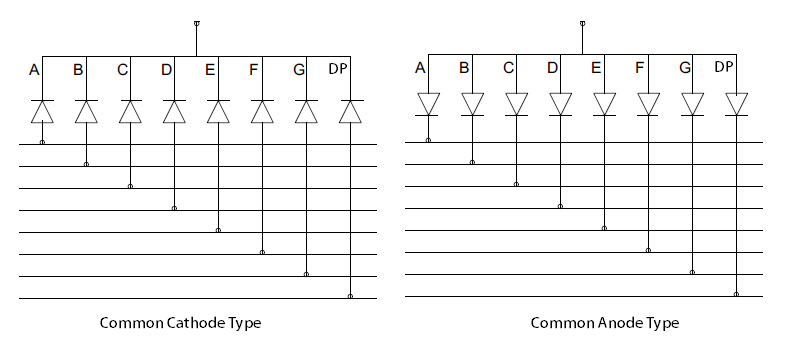
There are two main types of 7 segment displays. The first type is the common cathode display, which has all of its cathodes connected together. This makes it easier to control, as only one pin needs to be connected to the power source. The second type is the common anode display, which has all of its anodes connected together. This requires multiple pins to be connected to the power source, but it allows each segment to be individually controlled.
Wiring A 7 Segment Display
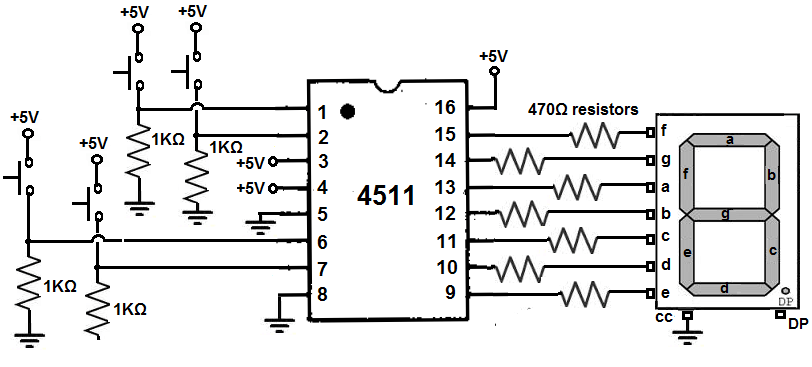
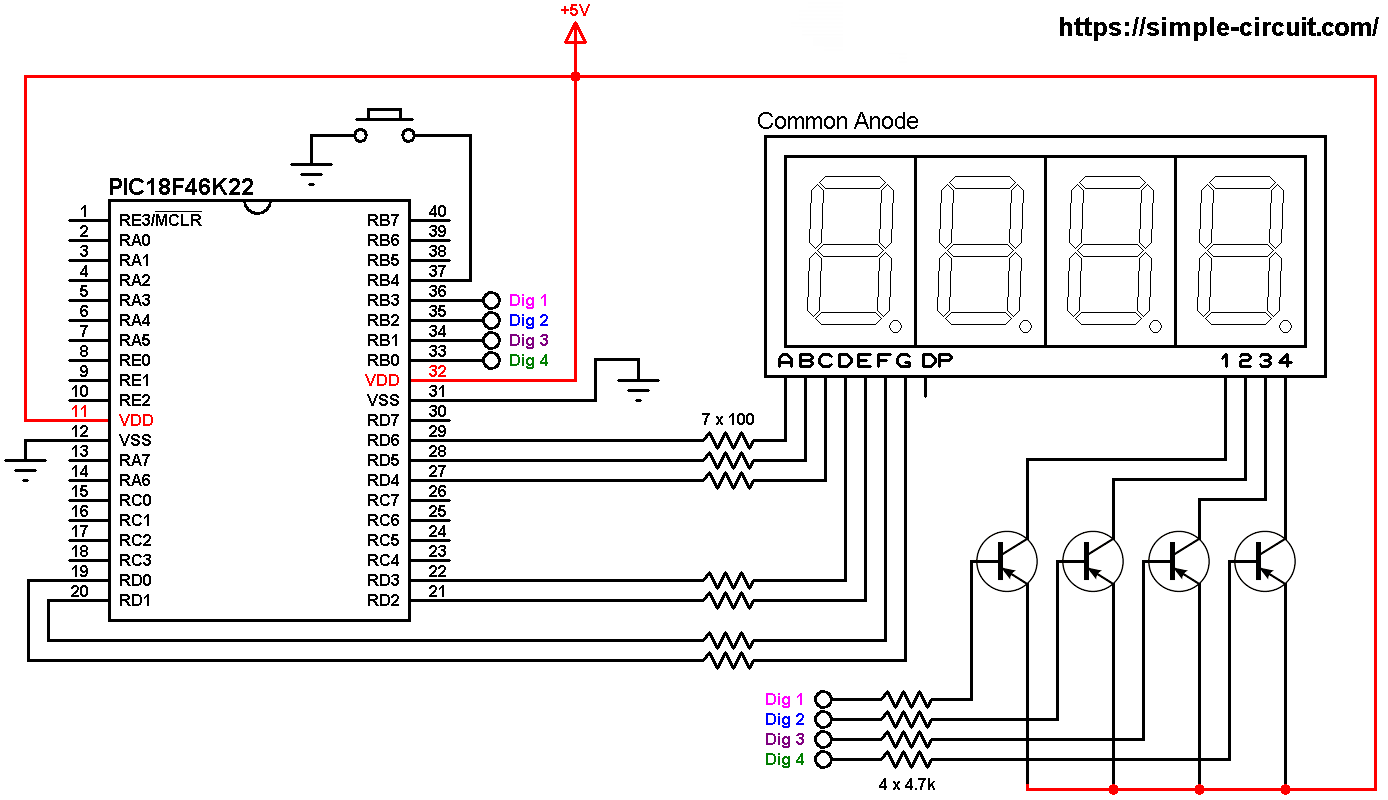
In order to wire a 7 segment display, you'll need to know how to read a schematic diagram. Schematic diagrams are drawings which show the electrical connections between components. They often include labels for each component, as well as the connections between them. In this case, the labels will be the pins which connect to the display, as well as the outputs to the power source. Once you've identified these, you can then connect the appropriate wires to each segment.
How To Test A 7 Segment Display
Once you've wired a 7 segment display, it's important to test it to make sure that it's working correctly. The easiest way to do this is to use a multimeter, which will allow you to measure the current flowing through each segment. If the current is equal across all seven segments, then the display is working properly. You can also test the display by turning it on and off manually, which will allow you to see if all of the segments are functioning correctly.
Conclusion
Schematic diagrams are an essential tool for wiring 7 segment displays, as they provide a clear and easy to understand visual representation of the connections between components. By understanding how to read schematic diagrams and being able to accurately interpret them, you'll be able to wire 7 segment displays with confidence. Additionally, testing with a multimeter is a great way to ensure that the display is working properly before using it in your project.