Modified Sinewave Inverter Schematic: An Ultimate Guide to Wiring Diagrams
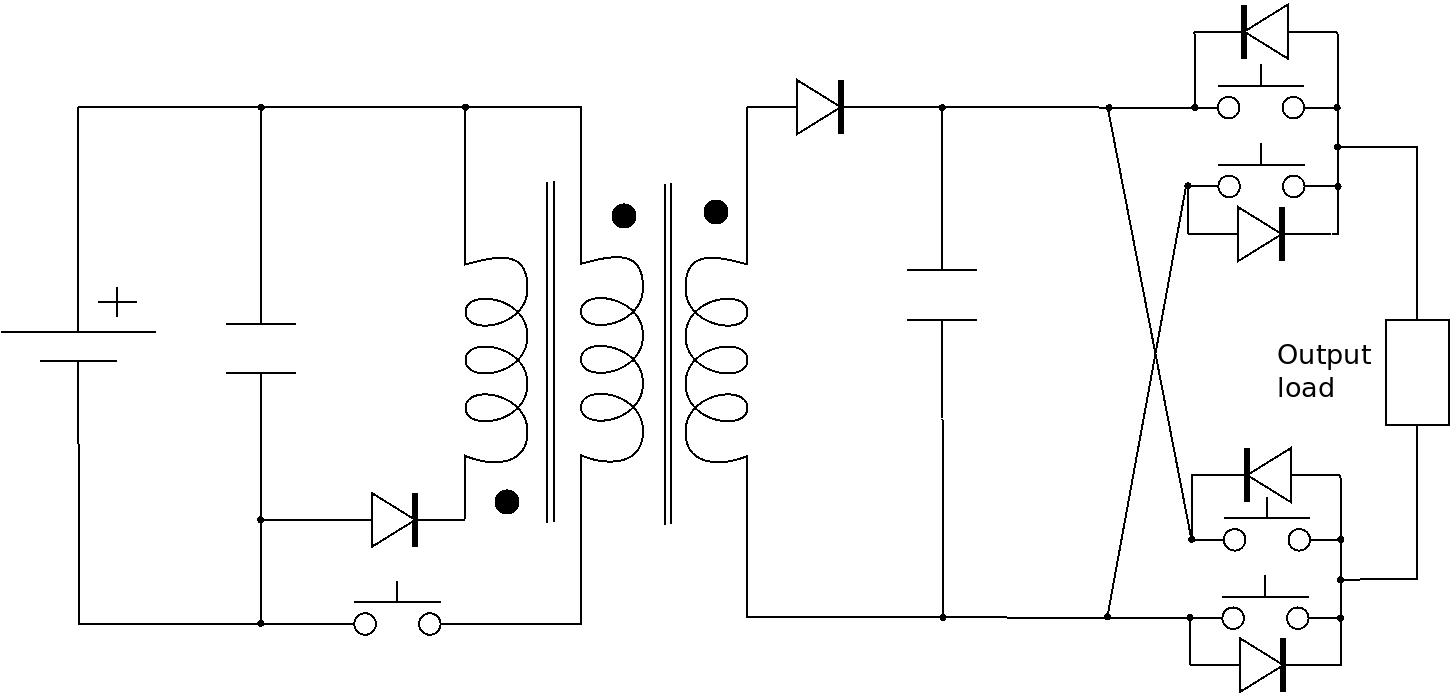
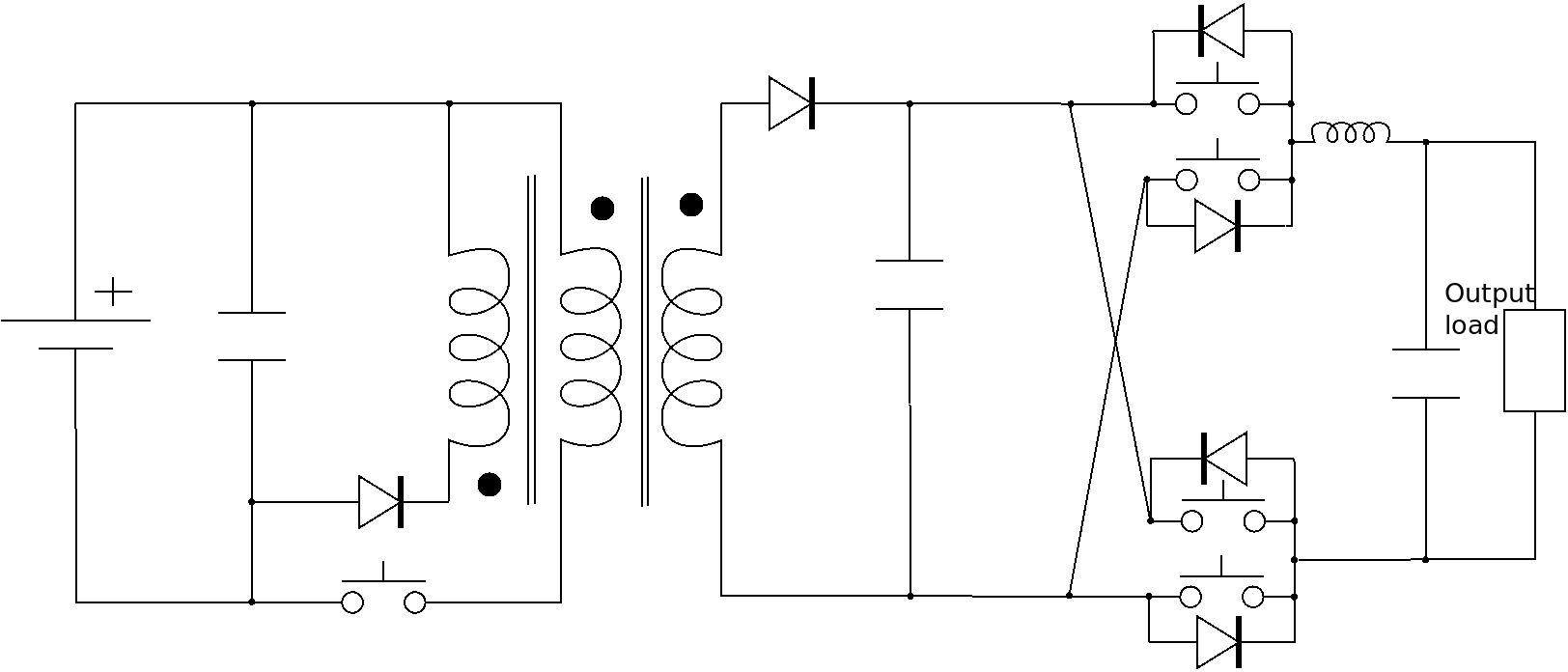
When it comes to understanding a modified sinewave inverter schematic, the best place to start is with a wiring diagram. Wiring diagrams provide an easy to read guide on how everything is connected, allowing you to trace the exact path of the electrical current. They can also include symbols for components such as resistors, capacitors, and switches. This guide will discuss the different types of wiring diagrams and their uses.
An inverter is an electronic component that converts direct current (DC) power from a battery or other source into alternating current (AC). The most common type of inverter is the modified sinewave inverter. It produces a modified sine wave output which is suitable for many applications. This inverter produces a less noisy output than other types of inverters, making it ideal for sensitive electronic devices. Understanding the modified sine wave inverter schematic is important if you want to be able to use and maintain this type of inverter.
Types of Wiring Diagrams
There are three main types of wiring diagrams used for modified sine wave inverters: simple line diagrams, detailed line diagrams, and 3-dimensional diagrams. Simple line diagrams show the basic connections between components in the circuit. They are typically used for quick reference and to illustrate simple circuits. Detailed line diagrams are more complex and are used to explain the workings of complicated circuits. 3-dimensional diagrams are used to show the physical layout of components.
Symbols for Components
Wiring diagrams will often include symbols for various components used in the circuit. These symbols can be used to identify components, such as resistors, capacitors, transistors, switches, and connectors. The symbols will also show which wires are connected to each component. This allows you to easily see how the circuit is wired and how each component is connected.
Reading the Diagrams
Understanding the wiring diagrams can be difficult if you don't know what you're looking for. The best way to start is by familiarizing yourself with the different symbols and components. Once you understand the symbols, it's then just a matter of following the diagrams to determine the connections and figure out how the circuit works.
Uses for Wiring Diagrams
Wiring diagrams are used to troubleshoot electrical problems. If there is a problem with the circuit, the diagrams can help you identify what components need to be replaced or adjusted. They are also useful when designing a new circuit or adding components to an existing circuit. Wiring diagrams can also be used to find out the voltage and current ratings of different components in the circuit. This is important information for choosing the right components for your project.
Conclusion
Understanding a modified sine wave inverter schematic is important for anyone who wants to use or maintain this type of device. Wiring diagrams are the best way to learn how these devices are wired and how they work. They use symbols to indicate different components and their connections so that you can easily follow the circuit. Wiring diagrams can also be used to troubleshoot problems and design new circuits. With this guide, you'll be able to understand and use wiring diagrams for modified sinewave inverters with ease.