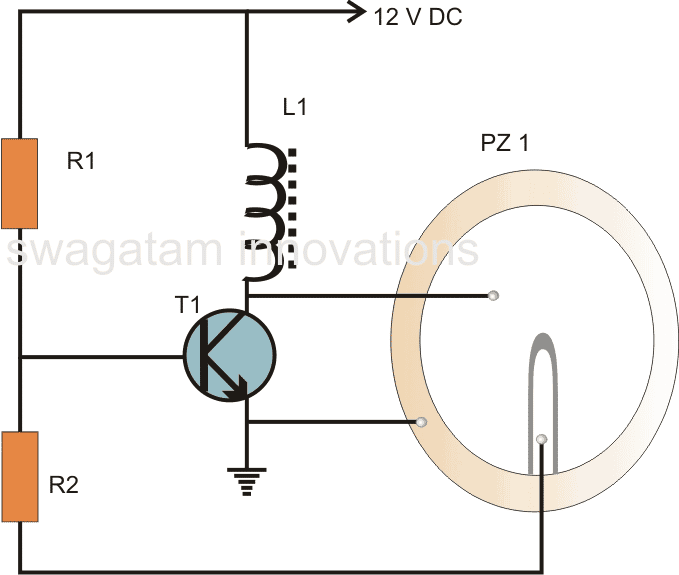
The Essential Guide to Buzzer Schematic Diagrams
When it comes to wiring a new device or machine, nothing beats having an accurate schematic diagram. A buzzing sound is one of the most common signals used in electronic devices and machines. Buzzer schematic diagrams provide a clear visual representation of the electronic components and their connections, allowing users to quickly make modifications or troubleshoot problems. In this guide, we’ll discuss the basics of buzzer schematic diagrams, and how they can help you get your project up and running quickly.
What is a Buzzer Schematic Diagram?
A buzzer schematic diagram is a visual representation of an electronic circuit that uses a buzzer as an alerting signal. The diagram displays each individual component and its relationship to other components in the circuit. This makes it easy to identify which parts are connected and where the power is flowing. It also shows any modifications or adjustments that need to be made to the circuit.
Benefits of Using a Buzzer Schematic Diagram
Using a buzzer schematic diagram offers several advantages. First, it simplifies the process of troubleshooting or repairing a circuit. Buzzers and the components related to them may be difficult to understand without an accurate schematic diagram. With a diagram, users can easily identify which components are involved in the circuit and diagnose any issues with them.
In addition, buzzer schematic diagrams also make it easier to modify a circuit. By understanding each component’s relationship with the rest of the circuit, users can make changes to the circuit without worrying about damaging it. This can save time and money, as users don’t need to buy expensive tools or rely on a professional technician for help.
Interpreting a Buzzer Schematic Diagram
Interpreting a buzzer schematic diagram can be challenging for non-electrical engineers. To make things easier, manufacturers often include a key or legend with the diagram. This key explains each symbol used in the diagram, including transistors, wires, resistors, and capacitors. Knowing what each symbol means simplifies the process of understanding the diagram.
These symbols may also be accompanied by numbers and letters that indicate the values assigned to each component. For example, “R1” may refer to a resistor with a resistance value of 1 ohm. Knowing these values is essential for making modifications to the circuit.
Creating a Buzzer Schematic Diagram
Creating a buzzer schematic diagram requires both technical knowledge and a good understanding of the components involved. For most users, it’s best to start with a template or pre-made diagram from a manufacturer. This makes it easier to plan and design the circuit without needing to know everything about each individual component.
For more complex circuits, it’s often necessary to draw the diagram from scratch. To do this, users need to have a good understanding of the components, their functions, and how they interact with each other in the circuit. This can be challenging for beginning engineers, so it’s important to research each component before attempting to create a diagram.
Conclusion
Buzzer schematic diagrams are essential for understanding and troubleshooting electronic circuits. They provide a clear visual representation of the components and their connections, allowing users to quickly identify any problems or make modifications to the circuit. While interpreting these diagrams can be complicated, there are many resources available to help users understand the symbols and values. With the right information and tools, anyone can create or modify a circuit quickly and effectively.